Lucky House: The Sweet Handwritten Font for Modern Design
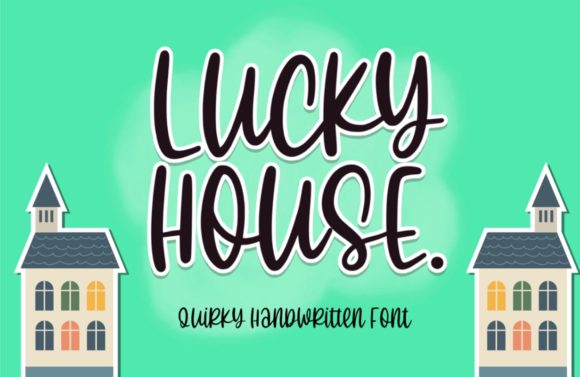
In a digital landscape saturated with sterile sans-serifs and predictable serifs, finding a typeface that injects genuine warmth and personality can transform a good design into an unforgettable one. Lucky House is precisely that kind of creative asset—a sweet and cute handwritten font crafted to infuse projects with a human, approachable charm. Its fluid, organic letterforms offer a refreshing alternative to more rigid typography, making it a versatile tool for designers seeking to create authentic visual connections. This font doesn't just display text; it conveys feeling, making it a valuable component in any modern design workflow.
The Role of Handwritten Typography in Visual Design
Typography is a fundamental pillar of graphic design, directly influencing readability, tone, and visual hierarchy. Handwritten fonts like Lucky House play a specific and powerful role within this system. They break the monotony of corporate typefaces, adding a layer of informality, creativity, and personal touch. This style of typography excels in contexts where the goal is to evoke emotion, foster trust, or stand out with a unique brand identity. When used strategically, it can guide the viewer's eye, create focal points, and complement other design elements like color palette and imagery to build a cohesive aesthetic.
Practical Applications for Creative Projects
The true value of a typeface is measured by its application. Lucky House's versatility allows it to elevate a wide spectrum of design projects, enhancing both aesthetics and communication.
- Branding and Logo Design: A handwritten font can become the cornerstone of a friendly, artisanal, or boutique brand identity. It works beautifully for logos, business cards, and stationery, helping brands appear more approachable and memorable.
- Marketing and Social Media Graphics: For digital marketing, attention is currency. Lucky House can make headlines, quotes, and calls-to-action in social media posts, email headers, and online ads stand out, improving user engagement and click-through rates.
- Invitations and Editorial Design: The font's elegant yet casual style is perfect for wedding designs, event invitations, and greeting cards. In editorial layouts, such as magazines or blogs, it can be used for pull quotes or section headers to add a dynamic visual break.
- Packaging and Product Labels: On physical products, a handwritten typeface communicates craft and care. It's ideal for labels, tags, and packaging design for goods like cosmetics, artisan foods, or lifestyle products, enhancing shelf appeal.
- Web and UI Design Elements: While body text requires maximum readability, Lucky House can be used sparingly but effectively in website hero sections, button text, or UI notifications to add personality and guide user experience (UX) in a friendly manner.
Integrating Fonts into Your Design System
Selecting the right typeface is just the first step; integrating it effectively is what ensures success. When incorporating a font like Lucky House into your projects, consider these practical tips:
- Establish Visual Hierarchy: Use handwritten fonts primarily for display purposes—headings, subheadings, or accent text. Pair it with a clean, highly legible sans-serif or serif font for body copy to maintain readability and create a balanced composition.
- Maintain Consistency: For branding, define clear guidelines on where and how the font should be used. Consistency across all touchpoints, from your website to print materials, reinforces brand recognition and professional presentation.
- Test for Scalability and Context: Always test your typography at different sizes and on various backgrounds. Ensure it remains clear and impactful whether viewed on a mobile screen or a large poster. Also, consider your audience's expectations to ensure the style aligns with your message.
- Complement with Other Elements: A font's impact is amplified by its surroundings. Choose a color palette that enhances its character—soft pastels can accentuate its sweetness, while bold contrasts can make it more dramatic. Ensure the overall composition feels harmonious.
Ultimately, thoughtful design choices are what separate professional work from the ordinary. Investing in high-quality creative assets like Lucky House is an investment in clarity, emotion, and brand strength. By understanding the principles of typography and applying them with intention, designers and creators can craft visuals that not only look polished but also communicate more effectively, leaving a lasting impression on their audience.