Blueprint: A Sweet Handwritten Font for Joyful Design
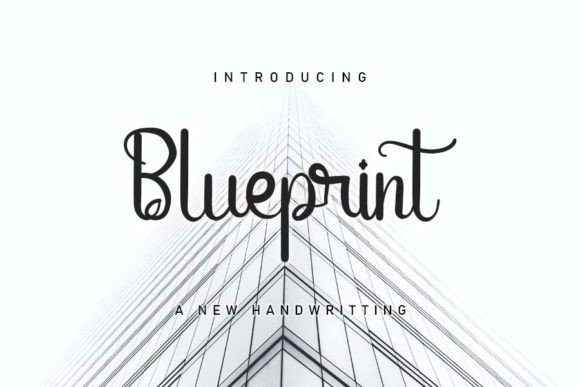
Imagine a typeface that doesn't just convey words, but infuses your entire design with warmth, personality, and a touch of romance. That's the power of a well-chosen font, and Blueprint is a prime example of one that delivers exactly that. This sweet and cursive handwritten font is a versatile creative asset, perfect for designers, marketers, and business owners seeking to add a gentle, joyful character to their visual communication.
Understanding the Role of Expressive Typography
In modern graphic design, typography is a foundational pillar of visual hierarchy and brand identity. The font you select does more than present information; it sets an emotional tone, guides the user's eye, and communicates subliminal messages about your brand's personality. While sans-serifs offer clean minimalism and serifs suggest tradition, a handwritten font like Blueprint introduces a human touch. Its cursive flow and gentle curves evoke authenticity, creativity, and approachability, making it a powerful tool for connecting with an audience on a more personal level.
Practical Applications Across Creative Projects
The true value of a design asset lies in its application. Blueprint’s gentle aesthetic makes it exceptionally adaptable, enhancing a wide range of projects where a personal, romantic, or joyful feel is desired. Consider incorporating it into:
- Branding and Logo Design: For brands in the wedding, boutique, artisanal, or lifestyle sectors, Blueprint can form the core of a memorable logo. It instantly communicates care, craftsmanship, and personal service.
- Marketing Materials: Elevate brochures, flyers, and print ads for events, special offers, or product launches. It adds an elegant flair that captures attention and feels less corporate.
- Social Media Graphics: Create scroll-stopping Instagram quotes, Facebook headers, or Pinterest pins. The font's personality helps content stand out in a crowded feed, boosting engagement.
- Web and UI Design: Use it strategically for headings, call-to-action buttons, or hero text on websites for cafes, photographers, or creative studios to create a welcoming user experience (UX).
- Packaging and Product Design: On labels for gourmet foods, cosmetics, or handmade goods, Blueprint adds a shelf appeal that suggests quality and a story behind the product.
- Editorial and Presentation Design: Bring life to magazine layouts, blog graphics, or presentation title slides, making the information feel more accessible and engaging.
Integrating Blueprint into Your Design Workflow
Successfully incorporating an expressive font requires thoughtful application. To ensure Blueprint enhances rather than overwhelms your design, consider these professional guidelines for typography and visual design:
- Prioritize Readability and Scalability: While beautiful, cursive fonts can be challenging in small sizes or long blocks of text. Use Blueprint for headlines, subheadings, or short phrases. Always test its legibility across different devices and print sizes.
- Create Effective Contrast and Hierarchy: Pair Blueprint with a clean, neutral font for body text. This contrast creates a clear visual hierarchy, ensuring your message is both beautiful and easy to digest. For example, combine it with a simple sans-serif for a balanced, modern aesthetic.
- Align with Your Color Palette and Brand Voice: The font’s joyful nature pairs well with soft pastels, warm neutrals, or vibrant accents. Ensure your overall color palette and imagery support the romantic or cheerful tone you wish to establish.
- Maintain Consistency: For strong brand identity, use Blueprint consistently across all touchpoints where its style is appropriate. This builds recognition and reinforces the desired emotional connection with your audience.
Choosing the right creative assets is a critical step in the design workflow, one that directly impacts the quality of the final presentation and the effectiveness of the communication. A font like Blueprint is more than just a stylistic choice; it’s a strategic tool for building visual warmth, enhancing user engagement, and crafting a professional yet personable brand narrative. By thoughtfully integrating such resources, designers can ensure their projects are not only visually stunning but also emotionally resonant and commercially effective.