Discover the Artistry of the Dragonfly Font
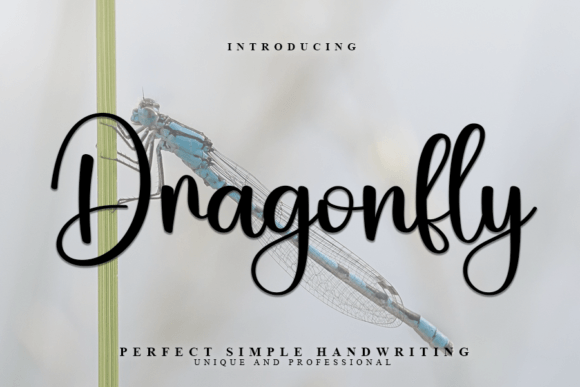
A single font choice can transform a simple message into a memorable brand moment, and the Dragonfly font is a prime example of this transformative power. This delicate, handwritten typeface is meticulously crafted to inject a cool, unique, and personal feel into any design project. Its elegant, flowing character makes it an invaluable creative asset for designers seeking to break away from rigid, corporate typography and connect with audiences on a more human level.
In the realm of modern graphic design, where authenticity and personality are paramount, a font like Dragonfly plays a crucial role. It moves beyond mere words to become a core component of visual communication. By utilizing its distinctive style, you can strengthen brand identity, guide user engagement, and elevate the overall aesthetic of your creative projects. It’s not just about what you say, but how you say it visually.
Practical Applications for Every Creative Need
The versatility of the Dragonfly font allows it to shine across numerous design disciplines. Its inherent charm and readability make it suitable for both digital and print applications, ensuring consistency in a brand's visual hierarchy. Consider its impact in these key areas:
- Branding and Logo Design: Use Dragonfly to create logotypes that feel approachable, artisanal, and memorable. It’s perfect for boutique brands, lifestyle products, and creative studios aiming for a modern yet personal aesthetic.
- Marketing Materials: From brochures and flyers to email headers, this font adds a touch of elegance to call-to-action phrases and headlines, improving user engagement.
- Social Media Content: Stand out in crowded feeds with Instagram stories, Pinterest graphics, and Facebook ads that use Dragonfly for impactful quotes and announcements.
- Web and UI Design: When used sparingly for accents, buttons, or hero text, it can enhance the user experience by adding a soft, organic element to a digital interface.
- Packaging and Print Design: Ideal for product labels, gift tags, wedding invitations, and food packaging, it communicates care and quality at first glance.
Integrating Dragonfly into Your Design Workflow
To maximize the effectiveness of any creative asset, thoughtful selection and implementation are key. When incorporating Dragonfly, consider these professional tips to ensure it enhances, rather than overwhelms, your design.
- Prioritize Readability: While beautiful, handwritten fonts are best used for shorter text passages like titles, headers, or accent text. Avoid using it for large blocks of body copy to maintain clarity.
- Establish Visual Hierarchy: Pair Dragonfly with a clean, sans-serif font for body text. This contrast creates a balanced and professional presentation, guiding the viewer's eye naturally through the content.
- Ensure Brand Consistency: Before finalizing, evaluate if the font's personality aligns with your brand's voice and target audience. Its "cool and unique" style should complement your overall color palette and imagery.
- Test Across Contexts: Always check how the font renders at different sizes and on various devices to guarantee a seamless user experience, whether on a mobile screen or a printed poster.
Ultimately, the Dragonfly font is more than a decorative element; it is a strategic tool for visual storytelling. By thoughtfully integrating such high-quality typography into your projects, you invest in a polished and cohesive design language. This attention to detail not only elevates aesthetics but also strengthens communication, ensuring your message is not only seen but felt, leaving a lasting impression in the minds of your audience.